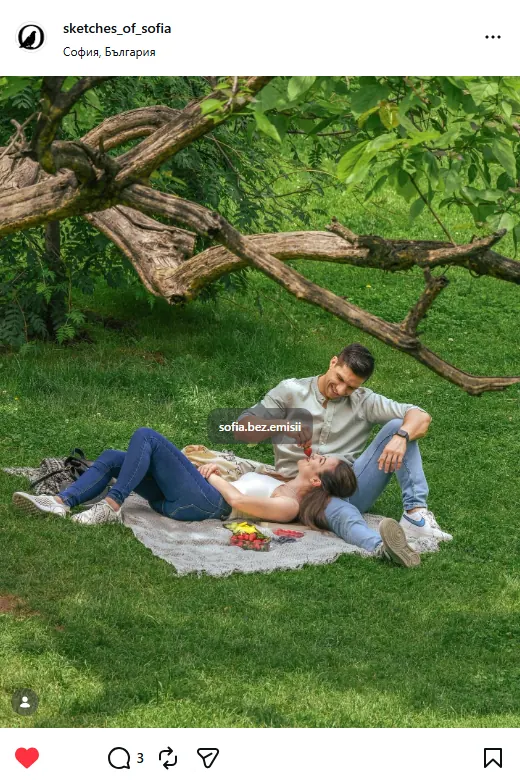
“Mission Zero-Emission Sofia”: communicating the low-emission zones
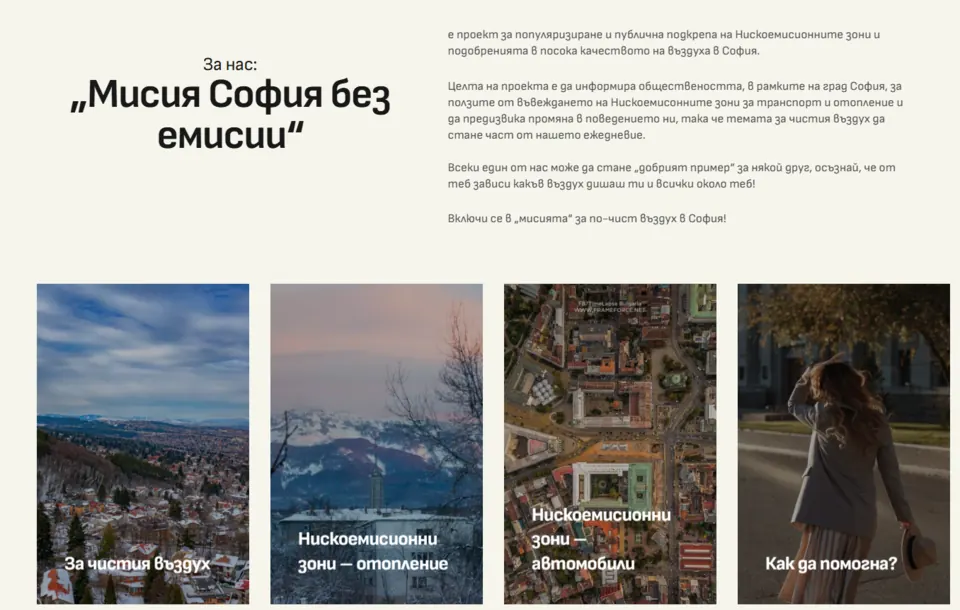
The introduction of low-emission zones in Sofia raised specific questions for citizens: which vehicles were affected, where the restrictions applied, and why they were necessary. With the support of the Clean Air Fund, we developed and implemented “Mission Zero-Emission Sofia” – a campaign linking practical information about the zones with the importance of clean air for health.
The brief
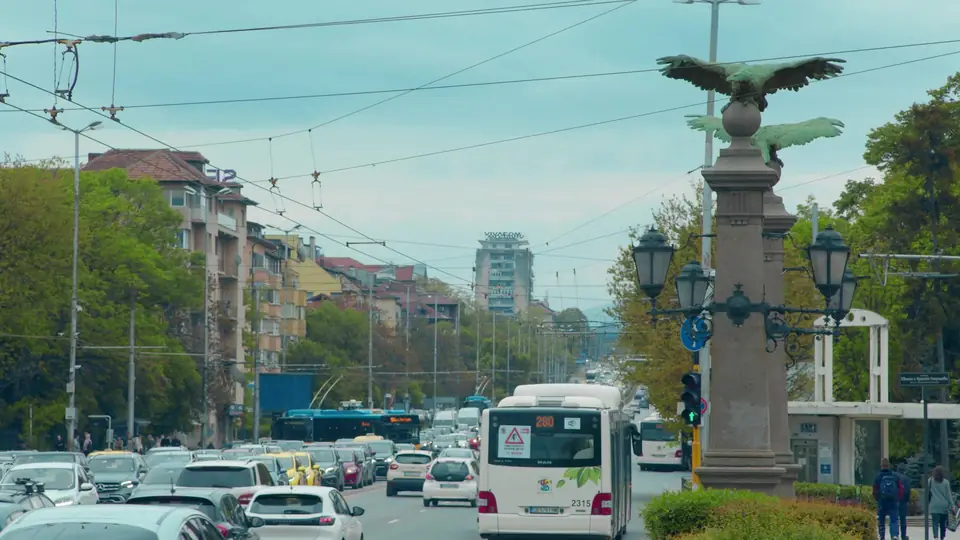
The communication needed to reach people with varying levels of prior awareness of and attitudes towards the restrictions – Sofia residents, people commuting into the city daily, and households affected by the heating measures.
The work took place in a changing environment, with a change of municipal administration and questions around the enforcement and control of the zones. This required ongoing coordination with the municipality, updating of information, and a clear distinction between the aims of the measures and their practical implementation.
Our contribution
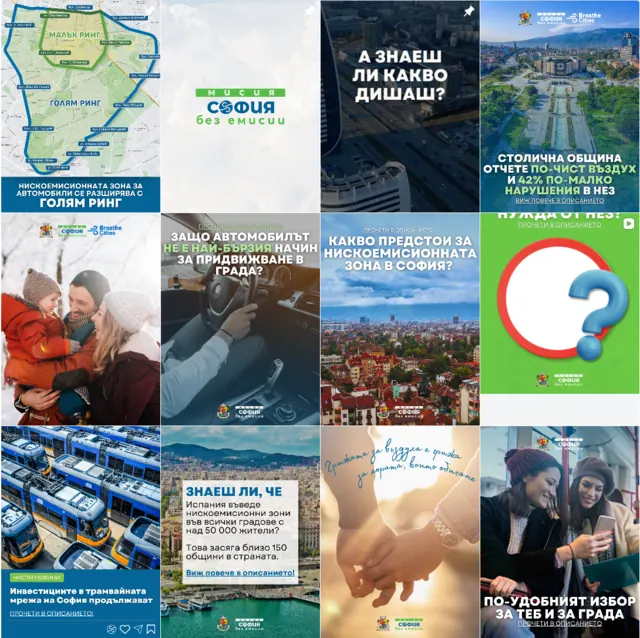
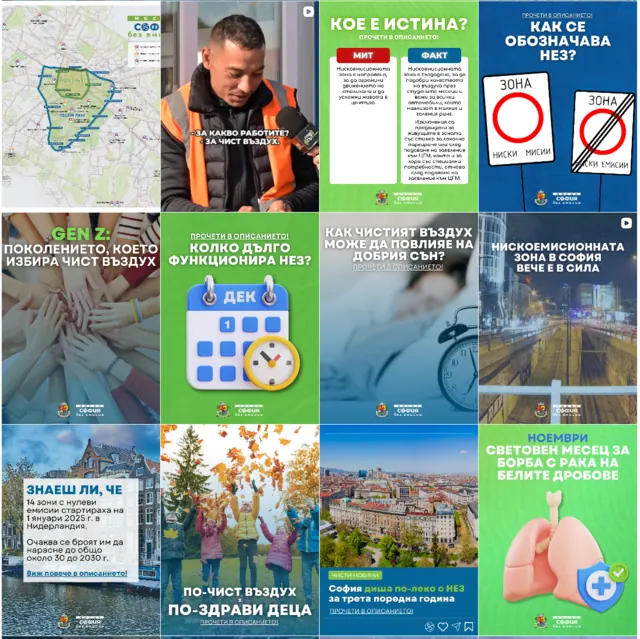
We began with a study of public attitudes among 1,000 respondents. We developed a communication strategy, a website and campaign profiles on Facebook and Instagram. We also prepared a handbook of messages and guidance for municipal representatives, which we presented to the new administration and provided to municipal councillors.
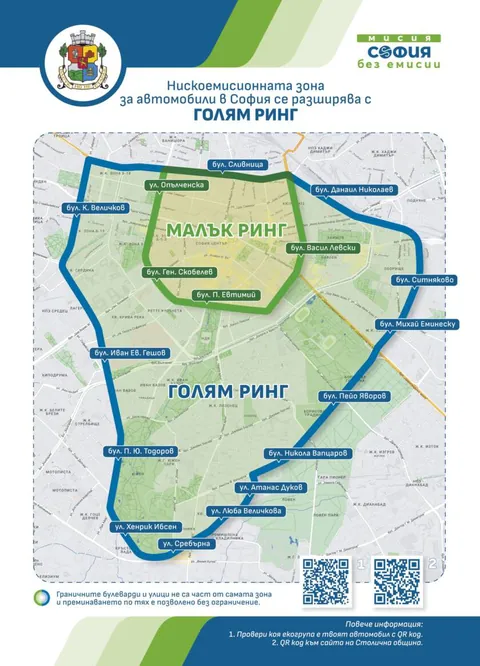
The content followed two interconnected lines. The first explained the importance of air quality through the involvement of doctors, scientists and environmental experts. The second provided concrete answers about the scope of the zones, the vehicles affected and the options for switching to cleaner heating.
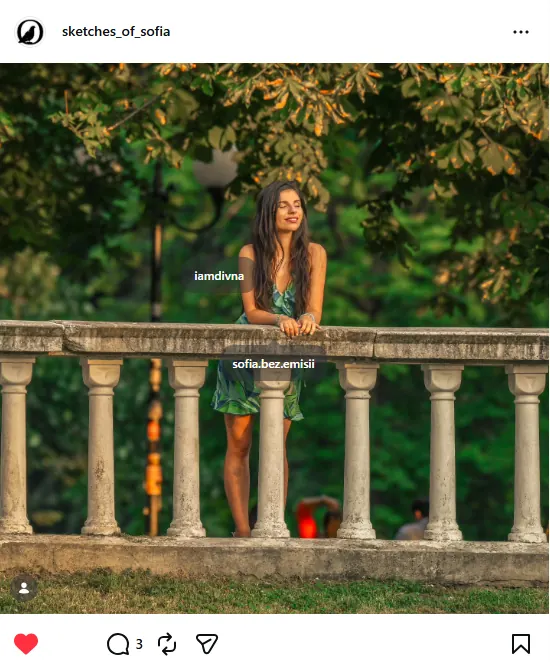
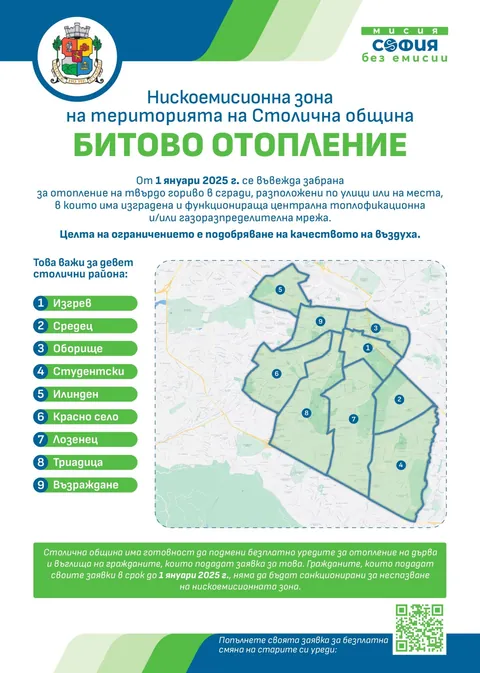
We organised media partnerships, prepared video and radio content, and developed the campaign's presence in the urban environment. We worked with Ratio and “Air for Health” on discussions, podcast content and initiatives for journalists. The information materials reached petrol stations, vehicle inspection points and municipal offices – places connected to citizens' specific questions.
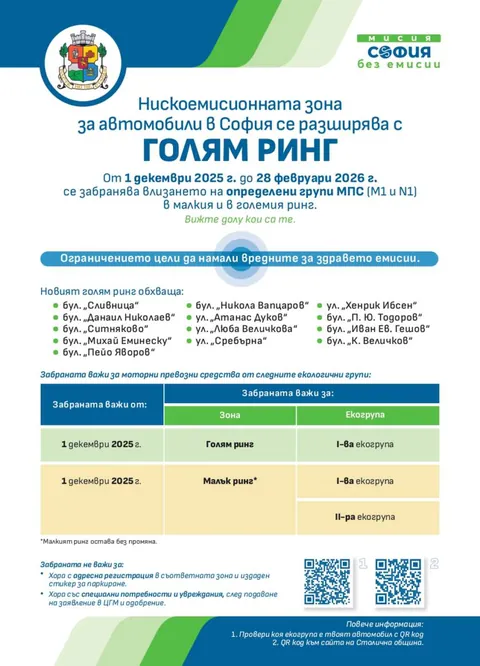
In the next phase, we built on the channels we had created with information about the expansion of the zone and with a new radio, outdoor and digital campaign.
Implementation and reported results
For the period 2023–2024, over 3.3 million paid social media impressions were recorded. A total of 100,000 leaflets for the vehicle zone and a further 5,000 for heating were prepared and distributed.
For the next phase, as of 22 January 2026, 599 radio broadcasts and 912,660 social media impressions have been recorded.
The project created a website, communication channels and materials that were also used in the subsequent expansion of the zone. These provided a foundation for ongoing communication and for answering citizens' questions.
In numbers
- over 3.3 millionpaid social media impressions, 2023–2024
- 100 000leaflets for the vehicle zone and a further 5,000 for heating
- 599radio broadcasts in the next phase, as of 22 January 2026
- 912 660social media impressions in the next phase, as of 22 January 2026
The campaign in the city
Online